
Diabetes can affect the nerves and blood circulation in the feet, increasing the risk of wounds, infections, and delayed healing. Sometimes, even a small cut, blister, or pressure sore can develop into a serious foot complication if it is not identified and treated promptly. Understanding the warning signs and seeking timely medical care can help reduce the risk of severe complications.
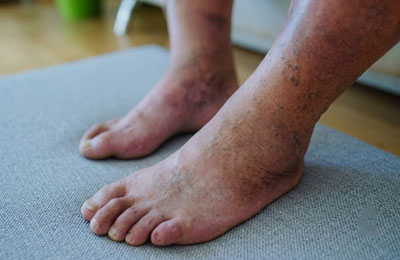
Diabetic foot care involves preventing foot injuries, identifying problems early, and treating wounds or infections before they become more serious. Depending on the condition, treatment may include wound care, infection management, pressure relief, circulation assessment, or surgery.
1. Why Do Foot Problems Occur in People With Diabetes?
Persistently high blood sugar levels can damage nerves, a condition known as diabetic neuropathy. This may reduce sensation in the feet, making it difficult to notice cuts, burns, blisters, or other injuries. Diabetes can also affect blood vessels and reduce circulation, which may slow wound healing and increase the risk of infection.
When reduced sensation and poor circulation occur together, even minor foot injuries can become difficult to manage without appropriate medical attention.
2. Common Warning Signs of Diabetic Foot Problems
People living with diabetes should regularly check their feet for changes that may indicate an injury or infection. Important warning signs include:
Seek prompt medical evaluation if you notice a new wound, signs of infection, or a change in the appearance of your foot. A blackened area, spreading redness, or rapidly worsening swelling requires urgent medical attention.
3. Common Diabetic Foot Complications
Diabetic foot complications can range from minor skin injuries to serious infections. Common problems include diabetic foot ulcers, infected wounds, cellulitis, abscesses, and tissue damage associated with reduced blood supply.
In some patients, infection can spread to deeper tissues or the bone. Severe circulation problems may also cause tissue death, known as gangrene. Early assessment helps the medical team determine the severity of the problem and plan appropriate treatment.
4. How Are Diabetic Foot Problems Diagnosed?
Assessment usually begins with a detailed examination of the foot, including the wound, skin condition, sensation, and circulation. The doctor may assess blood flow using specialised tests and recommend imaging or other investigations if a deep infection or bone involvement is suspected.
Blood tests and wound samples may also be required in selected cases. The investigations depend on the symptoms, the severity of the wound, and the patient's overall health.
5. Treatment Options for Diabetic Foot Conditions
Treatment depends on the type and severity of the complication. It may include:
Not every diabetic foot wound requires surgery. A qualified medical team determines the most suitable approach after examining the wound and assessing circulation and infection.
6. When Is Diabetic Foot Surgery Required?
Surgery may be necessary when a foot infection is severe, an abscess requires drainage, dead tissue needs removal, or the wound is not improving with appropriate treatment. Some patients may require procedures to improve blood flow, depending on the location and severity of the circulation problem.
In advanced cases involving extensive tissue damage or uncontrolled infection, more extensive surgery may be required. The primary goals are to control infection, preserve healthy tissue, support healing, and protect the patient's overall health.
7. Can Diabetic Foot Complications Be Prevented?
Although not all complications can be prevented, consistent foot care can significantly reduce avoidable risks. People with diabetes should make foot checks part of their daily routine and seek professional assessment when changes occur.
Daily foot inspection is especially important for people who have reduced sensation or a history of foot ulcers. Check for blisters, cracks, swelling, changes in colour, or injuries caused by footwear. If you cannot see the bottom of your feet clearly, use a mirror or ask someone to help.
Do not attempt to cut away corns, calluses, or dead tissue yourself. If a wound develops, avoid self-treatment and arrange a medical assessment promptly. People with reduced circulation or nerve damage may not experience the usual pain associated with an injury.
A new foot ulcer, spreading redness, pus, increasing swelling, or a wound that is not healing needs prompt medical attention. Seek emergency care for rapidly worsening symptoms, blackened tissue, a cold or pale foot, or signs of a serious infection such as fever, confusion, or severe weakness.
Do not wait for pain to develop before seeking help, as diabetic neuropathy can reduce the sensation of pain even when a foot injury is serious.
Diabetic foot complications can sometimes progress without obvious pain, making regular foot examinations and early treatment particularly important. Proper wound care, appropriate footwear, blood sugar management, and timely medical evaluation can help reduce the risk of serious complications.
If you notice a foot wound, persistent swelling, skin discolouration, or signs of infection, consult a qualified healthcare professional promptly. The appropriate treatment depends on the condition of the foot, the presence of infection, and the adequacy of blood circulation.
For expert evaluation and surgical management of diabetic foot complications, book an appointment with Dr. Vineet Kini – Consultant General, Laparoscopic & Laser Surgeon.