
Appendicitis is a condition in which the appendix becomes inflamed, usually causing pain in the abdomen. If left untreated, the inflamed appendix can sometimes rupture and lead to serious infection. Surgical removal of the appendix, known as an appendectomy, is a common treatment for acute appendicitis.
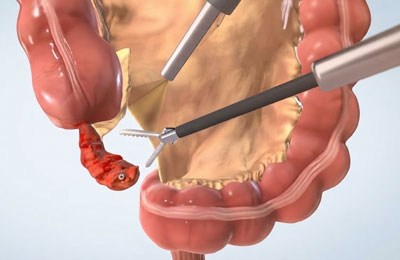
Laparoscopic appendix surgery is a minimally invasive technique used to remove the inflamed appendix through small abdominal incisions. Compared with traditional open surgery, it generally involves smaller incisions and may allow a faster recovery.
1. What Is Appendicitis?
Appendicitis occurs when the appendix becomes inflamed. It may develop suddenly and requires prompt medical assessment. Common causes can include blockage of the appendix, which may result in inflammation and infection.
2. Common Symptoms of Appendicitis
Appendicitis commonly causes abdominal pain that may begin around the belly button and later become more noticeable in the lower right side of the abdomen. Other symptoms may include nausea, vomiting, loss of appetite, fever, and abdominal tenderness.
3. When Is Appendix Surgery Required?
When appendicitis is confirmed and surgery is considered appropriate, removal of the appendix may be recommended to prevent complications such as rupture, abscess formation, or infection within the abdominal cavity.
4. What Is Laparoscopic Appendectomy?
Laparoscopic appendectomy is a surgical procedure in which the appendix is removed using a laparoscope and specialised instruments. The surgeon makes a few small incisions through which the camera and instruments are inserted.
5. How Is the Procedure Performed?
After administering anaesthesia, the surgeon inserts a laparoscope through a small incision. The abdomen is carefully examined, and the inflamed appendix is identified. The appendix is separated and removed through one of the small incisions. The surgical sites are then closed.
6. Benefits of Laparoscopic Appendix Surgery
Laparoscopic surgery uses smaller incisions and may offer benefits such as reduced postoperative discomfort, smaller scars, shorter hospitalisation, and an earlier return to routine activities. Recovery can vary depending on the severity of appendicitis and the patient's overall health.
After surgery, patients are gradually encouraged to move and resume eating as advised by the surgical team. The recovery period depends on the individual's condition and whether complications such as perforation or an abscess were present.
Patients should follow their surgeon's instructions regarding wound care, diet, physical activity, medications, and follow-up appointments.
Appendicitis can progress and may result in appendix rupture if treatment is delayed. Severe or worsening abdominal pain, particularly when associated with fever, vomiting, or marked tenderness, should be evaluated promptly.
Appendicitis requires timely medical evaluation. Laparoscopic appendectomy provides a minimally invasive approach for removing the appendix when surgery is indicated.
If you experience symptoms suggestive of appendicitis, seek medical attention rather than attempting to manage the condition at home.
For expert evaluation and minimally invasive surgical treatment, book an appointment with Dr. Vineet Kini – Consultant General, Laparoscopic & Laser Surgeon.