Varicose veins are enlarged, twisted veins that commonly develop in the legs when the valves inside the veins do not work properly. This can cause blood to pool in the veins, resulting in visible bulging veins, heaviness, aching, swelling, or discomfort in the legs. While mild varicose veins may initially cause little concern, persistent or worsening symptoms may require medical evaluation and treatment.
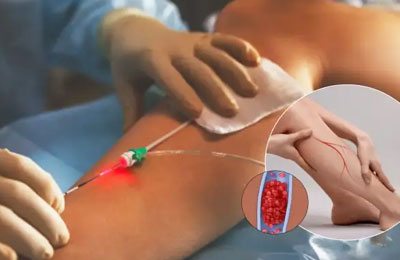
Laser varicose veins surgery is a minimally invasive treatment option that uses laser energy to close the affected vein. It is designed to treat the underlying abnormal vein while allowing healthy veins to continue carrying blood normally.
1. What Are Varicose Veins?
Varicose veins occur when the valves within the veins become weak or damaged. Normally, these valves help blood flow toward the heart. When they do not function properly, blood can flow backward and collect in the veins, causing them to become enlarged and twisted.
2. Common Symptoms of Varicose Veins
Varicose veins can appear as blue or purple, enlarged, twisted veins beneath the skin. Some people may experience aching, heaviness, burning, itching, swelling around the ankles, muscle cramps, or discomfort that becomes worse after prolonged standing or sitting.
3. When Should Varicose Veins Be Treated?
Treatment may be considered when varicose veins cause persistent pain, swelling, skin changes, recurrent complications, or other troublesome symptoms. A vascular evaluation can help determine the severity of the vein problem and identify the most appropriate treatment.
4. What Is Laser Varicose Veins Surgery?
Laser treatment, commonly known as endovenous laser treatment, uses a thin laser fibre that is guided into the affected vein. Laser energy is then delivered to the vein wall, causing the abnormal vein to close. Blood is subsequently redirected through healthier veins.
5. How Is the Procedure Performed?
The procedure is generally performed through a small puncture or tiny incision. Using imaging guidance, the surgeon positions the laser fibre inside the targeted vein. Local anaesthesia is used to minimise discomfort, and controlled laser energy is applied to close the diseased vein.
6. Benefits of Laser Treatment
Laser treatment is minimally invasive and generally involves a small entry point rather than a large surgical incision. Depending on the individual case, potential benefits may include less postoperative discomfort, minimal scarring, a shorter recovery period, and an earlier return to routine activities compared with traditional surgical vein removal.
Many patients are able to walk soon after the procedure and may return to normal activities relatively quickly, depending on their individual condition and the advice of their surgeon. Compression stockings may be recommended for a specific period, along with instructions regarding walking, exercise, wound care, and follow-up.
Not all varicose veins can be prevented, particularly when genetics or underlying vein problems are involved. However, maintaining a healthy weight, staying physically active, avoiding prolonged periods of standing or sitting, and regularly moving the legs can support healthy circulation.
Varicose veins should not be considered only a cosmetic concern, especially when they are associated with pain, swelling, skin changes, or other symptoms. Early evaluation can help identify the underlying vein problem and determine whether conservative care or a minimally invasive procedure is appropriate.
If you have painful, enlarged, or progressively worsening varicose veins, consult a qualified surgeon for a detailed evaluation and personalised treatment plan.
For expert evaluation and minimally invasive treatment of varicose veins, book an appointment with Dr. Vineet Kini – Consultant General, Laparoscopic & Laser Surgeon.